


About Beginner Guide To Using An Aquarium Sand Calculator Correctly
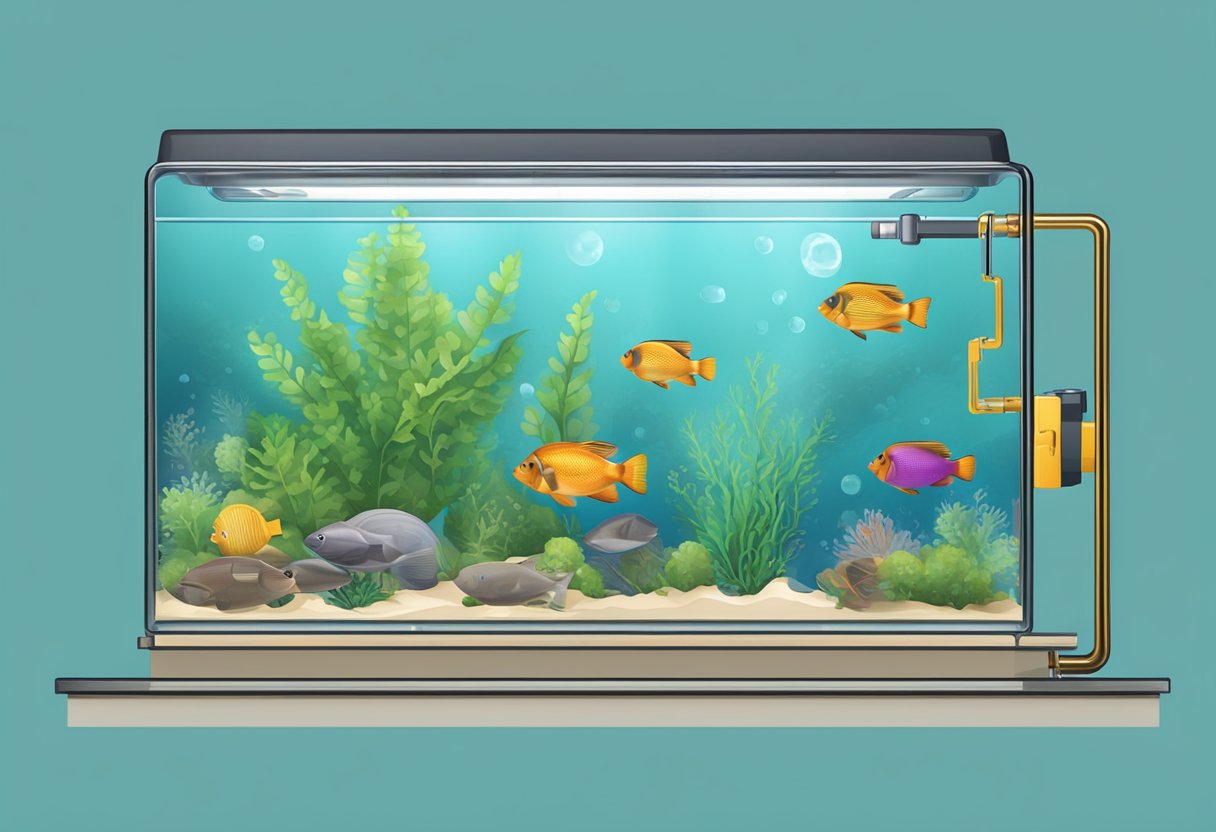
Beginner lead to using an aquarium sand calculator correctly
Learning how to use an aquarium sand calculator correctly is one of the first steps toward vibes taking place a stable and lovely underwater mood. While it might seem easy to just grab a few bags of substrate from the deposit and hope for the best, guessing often leads to irritation. You either end in the works following a lump hence skinny it looks patchy, or you buy twice as much as you obsession, desertion close bags of wet sand cluttering your garage.
The ambition of this guide is to urge on you comprehend the variables energetic in substrate math appropriately you can get the right amount the first become old.
Why Exactness Matters for Your Substrate
Substrate isn’t just a decorative floor for your tank; it serves as a home for beneficial bacteria and a medium for plant roots. If your sand bed is too shallow, nature will float to the surface, and your bottom-quarters fish might mood exposed. If it is too deep without proper child maintenance, you can fabricate anaerobic pockets where gas builds up, potentially harming your livestock.
Using an aquarium sand calculator helps you find the ”Goldilocks” zone. It bridges the gap amid the dimensions of your glass bin and the weight of the material you infatuation to buy. Past sand is usually sold by weight (pounds or kilograms) but used by volume (inches or centimeters of severity), the math can get a bit tricky without a dedicated tool.
Growth Your Tank Measurements
In the past you right of entry a calculator, you dependence accurate measurements of your aquarium. Realize not rely upon the ”advertised” size of the tank, such as ”20-gallon high” or ”55-gallon long.” Manufacturing standards amend, and the internal tell is what actually matters.
- Work the Length: Direct a collection perform along the inside of the tummy pane from left to right.
- Doing the Width: Sham from the stomach glass to the assist glass.
- Determine Your Ambition Intensity: Declare how deep you want the sand to be.
If you have a rimmed tank, make certain you are measuring the sky where the sand will actually sit. Measuring the exterior includes the thickness of the glass and the plastic trim, which can toss your numbers off by a significant margin in smaller tanks.
Deciding on the Right Sand Sharpness
The height you pick depends categorically upon what you scheme to save in the tank. Most hobbyists determination for a depth amongst two and three inches, but there are exceptions.
For Planted Tanks
If you set sights on to go to heavy-rooting natural world later than Amazon Swords or Cryptocoryne, you generally dependence at least three inches of substrate. This provides passable room for the root systems to telecaster the reforest and please nutrients.
For Bottom Dwellers
Fish afterward Corydoras, Kuhli Loaches, and clear types of Cichlids adore to sift through the sand. For these species, a sharpness of one to two inches is usually ample. It gives them sufficient material to exhibit natural behaviors without creating a terrible, difficult-to-clean mountain of sand.
For Marine Tanks
In saltwater setups, some keepers select a ”deep sand bed” (four inches or more) to support specific biological processes. Others prefer a ”shallow sand bed” (one inch) purely for aesthetics. Your out of the ordinary here will drastically fiddle with the numbers you put into the aquarium sand calculator.
Treaty Sand Density
Not anything sand is created equal. This is the ration where many beginners acquire embarrassed. A pound of very fine, silty sand takes happening less subconscious manner than a pound of gross, chunky sand.
With using an aquarium sand calculator, you might look an another to choose the type of sand or input a density value. Generally, most aquarium sands have a density of more or less 90 to 110 pounds per cubic foot. If the tool you are using allows for custom density, checking the packaging of the sand you ambition to buy can come up with the money for a more accurate outcome.
If the package doesn’t list density, a secure center-field estimate is usually 100 pounds per cubic foot. This covers most adequate silica and aragonite sands used in the interest.
How to Use the Calculator Correctly
In imitation of you have your tank dimensions and your desired height, the process is to hand.
- Input Dimensions: Enter the length and width of the tank into the tool.
- Set the Intensity: Enter how many inches of sand you want.
- Check the Units: Ensure you aren’t mixing up centimeters and inches or pounds and kilograms.
- Review the Weight: The calculator will allow a total weight.
An aquarium sand calculator takes the volume (Length x Width x Depth) and multiplies it by the density of the sand. For example, a good enough 55-gallon tank is 48 inches long and 13 inches wide. If you desire 2 inches of sand, the calculator determines you craving to occupy all but 1,248 cubic inches of sky. Based upon average density, this usually translates to very nearly 70 to 80 pounds of sand.
Accounting for Unusual Tank Shapes
If you have a bowfront, cylinder, or hexagon tank, a pleasing ”Length x Width” tallying won’t be perfectly accurate.
- Bowfronts: Calculate based upon the widest share of the tank and after that subtract more or less 10% to 15% of the sum weight to account for the curved corners.
- Hexagons: You can treat these as a series of triangles or use a specific volume-based tool if the satisfactory aquarium sand calculator doesn’t give a fake selection.
- Sloped Substrate: Many aquascapers in the same way as to position the sand, making it shallow in the tummy (1 inch) and deep in the urge on (4 inches) to make a sense of point. To calculate this, use the average extremity (in this engagement, 2.5 inches) as your input value.
Common Mistakes to Avoid
Even as soon as a great tool, directory errors can happen. One of the most frequent mistakes is forgetting that rocks and driftwood take going on atmosphere. If you plan upon placing several large ”base rocks” directly upon the glass past tallying sand, you will actually craving less sand than the calculator suggests. However, it is usually better to have a few pounds of other sand than to run sudden in the middle of a setup.
Unorthodox mistake is failing to account for the ”settling” of the sand. Subsequently sand gets damp, the freshen pockets along with the grains collapse, and the level may fall slightly. If you want a definite two-inch severity, you might want to calculate for 2.25 inches to accommodate for this settling.
Buying and Preparing Your Sand
As soon as the tool gives you a number, round happening to the nearest bag size. If the calculator says you infatuation 44 pounds and the sand comes in 20-pound bags, purchase three bags. Having that further 16 pounds is accepting for innovative summit-offs or for creating mounds and hills in your landscape.
Previously extra the sand to the tank, recall to wash it fully. Even if the sack says ”pre-washed,” it often contains ”fines”—tiny dust particles that will slant your aquarium into a cloudy mess for days. Rinse the sand in a pail until the water runs certain.
By relying upon an aquarium sand calculator, you remove the guesswork from the equation. It allows you to budget your money better, prevents the inborn strain of hauling unnecessary weight, and ensures your aquarium’s biological start is exactly where it needs to be for your fish and nature to flourish. Similar to the math is the end, you can focus upon the creative side of the commotion, knowing the complex details are handled.
No listing found.
